DHP® Technology: One Molecule for a One Health Approach—a Narrative Review
Published September 2023 in the Journal of Public Health and Emergency
Description: This review evaluates the use of DHP® Technology as a continuous environmental disinfection technology across healthcare and animal agriculture settings. The review includes laboratory and field studies, with a focus on poultry hatcheries, where DHP® was tested for its ability to reduce microbial contamination and improve hatchery performance. The review draws from peer-reviewed literature, third-party lab reports, and observational data from commercial poultry operations.
Key Takeaways:
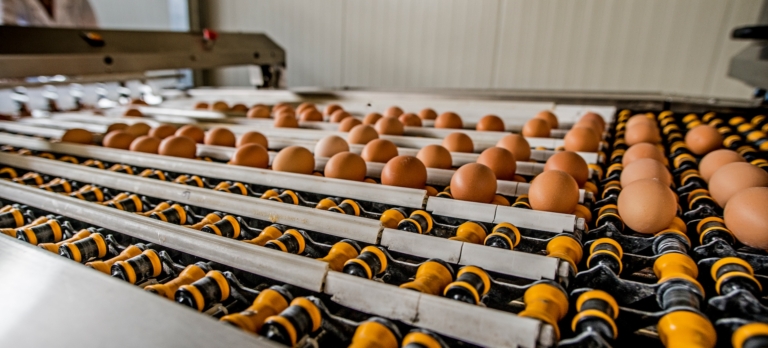
- Eggshell Sanitation: DHP® significantly reduced microbial load on eggshells in lab studies, contributing to improved hatchability.
- Hatch of Fertile Eggs: In a commercial hatchery trial (1.2 million chicks/week), DHP®-treated areas showed a 0.7% increase in hatch of fertile eggs, equating to ~8,000 more chicks per week.
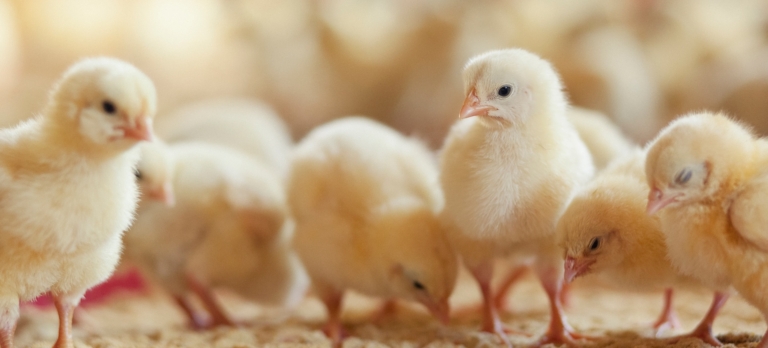
- Early Chick Mortality: DHP®-treated chicks had a 0.07% lower early mortality rate, resulting in ~840 more viable chicks per week.
- Fungal Reduction: Aspergillus-positive chicks dropped from 70.4% to 54.7% in DHP®-treated groups (p=0.02).
- Relevant Pathogen Efficacy: DHP® demonstrated strong reductions against poultry- relevant pathogens:
- Salmonella enterica: 91.62% reduction (6 hours)
- Escherichia coli: 86.31% (surface, 2 hours);>99.85% (airborne, 1 hour)
- Listeria monocytogenes: 65.77% (3 hours)
- Staphylococcus aureus (MRSA): 95.15% (6 hours)
- Operational Advantage: DHP® Aspergillus operates continuously in occupied hatchery environments, unlike traditional disinfectants that require downtime or evacuation.